
PAINT & BODY
Automotive spray booth filter replacement: a buyer and maintenance guide
Learn how to plan automotive spray booth filter replacement by identifying each filter stage, monitoring condition and airflow, and ordering the correct media.
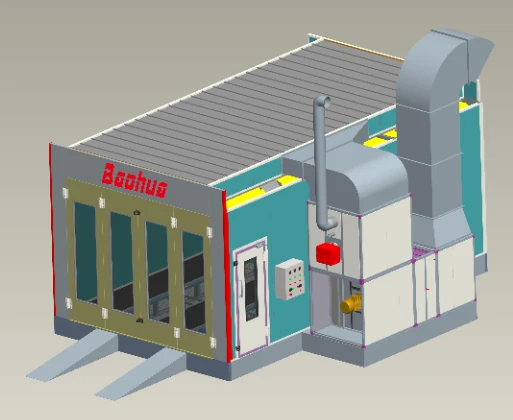
Map every filter stage before ordering replacements
An automotive spray booth can use several filter stages, and each stage has a different job. Depending on the booth design, these may include fresh-air pre-filters, ceiling diffusion media, floor or exhaust paint-arrestor filters, and filters within the air-handling cabinet. The exact layout must be confirmed from the supplied drawing and the installed machine.
Do not order replacement media from the words spray booth filter alone. Record the location, dimensions, construction, airflow direction, quantity, and supplier reference for every filter bank. A filter that physically fits may still be unsuitable for the intended stage.
Use condition and operating data, not one universal interval
There is no single replacement interval that suits every workshop. Loading depends on coating type, overspray, preparation quality, daily operating hours, booth cleanliness, outdoor air conditions, and the installed filter media. Follow the machine and filter instructions for the exact configuration.
A practical maintenance record can combine inspection results with any pressure, airflow, alarm, or operating-hour information available on the installed booth. This gives the workshop a repeatable basis for changing media before airflow or finish quality is affected.
Signs that a filter system needs inspection
One symptom does not always identify one failed filter, so inspect the complete air path before replacing parts. Loaded filters, incorrect installation, damaged seals, blocked ducts, dirty fan components, or an unsuitable replacement can produce similar operating problems.
- Visible loading, paint accumulation, damage, sagging, or gaps around the filter frame
- Reduced or uneven airflow in the working chamber
- A change in booth pressure, door behavior, or control-system alarms
- More dust or contamination appearing in the finish
- Overspray reaching downstream areas that should remain clean
- Pressure-drop or airflow readings outside the limits specified for the installed system
Plan safe access and routine replacement work
Filter work should follow the booth manufacturer instructions, site safety procedures, and applicable local requirements. Before maintenance, stop and isolate the equipment as required, allow heated components to cool, use suitable protective equipment, and control contact with paint residue and contaminated media.
Install the approved replacement in the correct orientation, seat it evenly, check the frame and seals, and confirm that no bypass gaps remain. After the work, verify normal airflow, pressure indication, controls, and alarms before returning the booth to production. Disposal requirements depend on the coatings and local rules.
Information to record for replacement filter purchasing
Create a filter register when the booth is commissioned instead of waiting until a replacement is urgent. Photograph the installed filter and its label, then keep the information with the booth model and maintenance history.
- Booth manufacturer, model, serial reference, and installed configuration
- Filter stage and exact position in the airflow path
- Length, width, thickness, quantity, and frame or roll format
- Media description and any printed part or grade reference
- Required airflow orientation and sealing method
- Current pressure or airflow reference from the approved instructions
- Coating process, expected workload, destination, and requested quantity
Match maintenance planning to the selected booth
Filter access, airflow arrangement, heating method, cabinet layout, and working size differ between booth models. Confirm the exact supply scope and maintenance access while comparing equipment, then request the corresponding drawings and operating documents for the selected configuration.
Frequently asked questions
How often should automotive spray booth filters be replaced?
There is no universal interval. Use the instructions for the installed booth and filter, then monitor condition, operating load, pressure or airflow information, alarms, and finish quality to establish a suitable maintenance schedule.
Can one filter media be used for every stage?
Do not assume so. Fresh-air, ceiling, floor, exhaust, and cabinet stages can have different functions and specifications. Confirm the position, dimensions, construction, airflow direction, and approved media for each stage.
What information is needed to order replacement filters?
Provide the booth model and configuration, filter position, dimensions, quantity, format, media or printed reference, airflow orientation, coating process, destination, and photographs of the installed filter and label.
What should be checked after a filter change?
Confirm that the media is correctly oriented and sealed without bypass gaps, then verify the booth airflow, pressure indication, controls, and alarms according to the manufacturer instructions before production resumes.
This guide supports early equipment planning. Final dimensions, specifications, installation instructions, supply scope, and applicable documents must be confirmed for the exact model and site before ordering.